
Why Tracking Your Transaction History on Solflare Wallet Matters More Than You Think
Okay, so check this out—when I first started messing around with Solana and DeFi, I didn’t give much thought to my transaction history. I mean, wallets are wallets, right? Just somewhere to stash your coins. But wow, was I wrong. Something felt off about how easy it was to lose track of where my SOL went, or which staking rewards hit my account. If you’re like me, juggling multiple DeFi projects and staking pools, keeping tabs on your moves isn’t just a nice-to-have—it’s crucial.
Seriously, I used to just glance at balances and call it a day. But when tax season rolled around (ugh), I realized I had zero organized record of my trades and staking rewards. Really? That’s gonna be a nightmare to explain. The good news is that Solflare, the go-to wallet for many in the Solana ecosystem, offers intuitive transaction history features across its mobile app and browser extension. Still, it’s not always obvious how to leverage them fully.
On one hand, having your transaction log handy means you can track your portfolio’s performance over time. On the other, it’s essential for security audits, spotting unauthorized activity, or just retracing your steps after a late-night DeFi experiment. Actually, wait—let me rephrase that… it’s like having a financial diary you forgot you needed until stuff started piling up.
Here’s the thing: the Solflare wallet interface makes accessing this info fairly straightforward, but depending on whether you’re on mobile or desktop, the experience can vary quite a bit. My instinct said mobile would be simpler, but browser extension sometimes offers deeper insights, especially when you’re juggling multiple dApps.
Hmm… I wonder if most users realize how much control they have over viewing and exporting their transaction history. This part bugs me a little since missing out on these tools might cost you both time and money down the road.
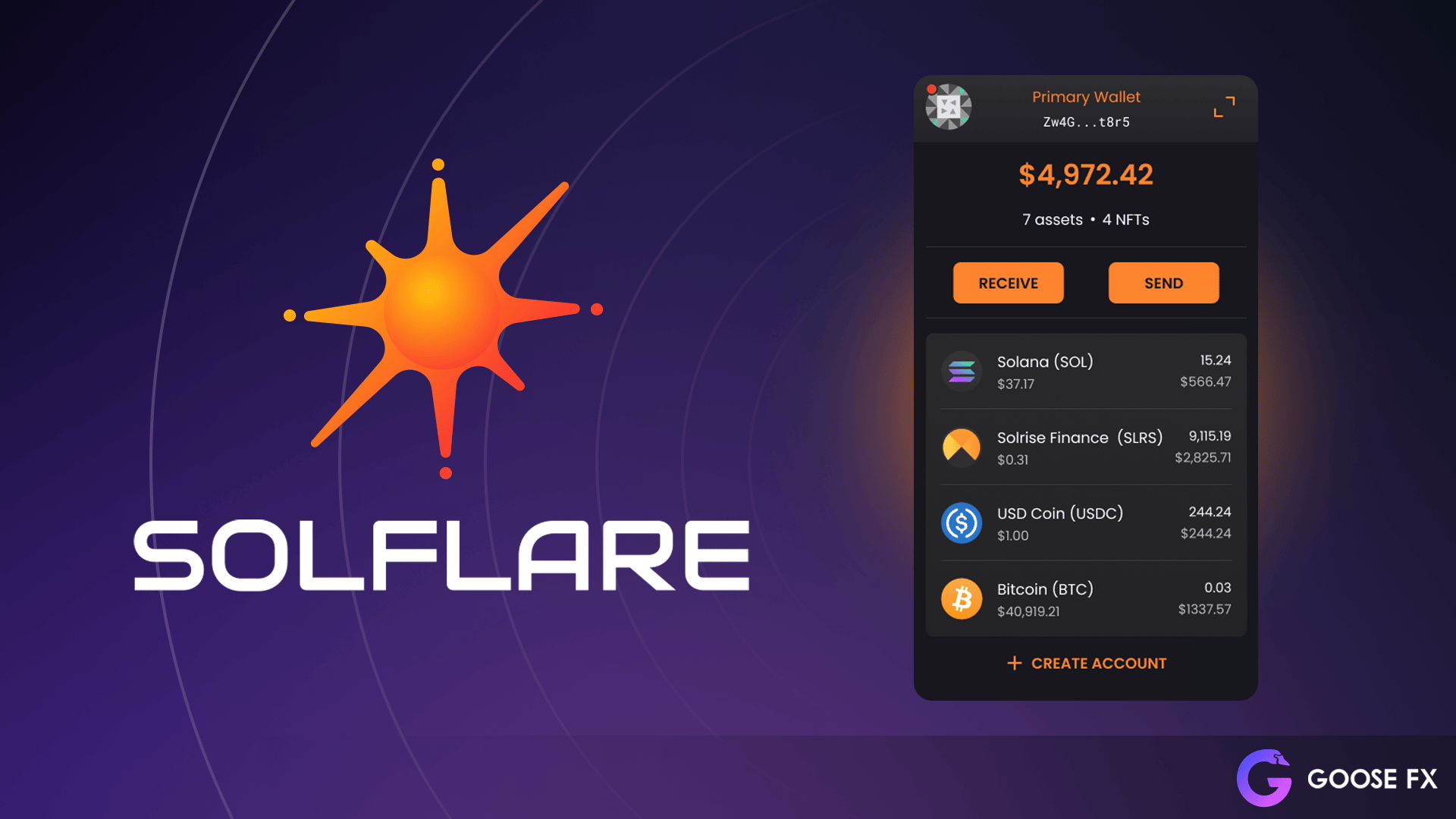
Transaction History: Mobile App vs. Browser Extension
Let me break it down from personal experience. The Solflare mobile app provides a clean, streamlined view of your recent transactions, staking rewards, and token swaps. It’s perfect for quick checks on the go or confirming a recent transfer. The interface is snappy and doesn’t overwhelm you with data, which is great for casual users.
But if you’re more of a power user—someone deeply entrenched in Solana’s DeFi scene—the browser extension opens up a richer set of features. It displays comprehensive transaction logs, sortable by date, token type, or transaction status. Plus, you can export your history for external accounting or tax software. This export function is a lifesaver, especially since many DeFi projects still don’t integrate seamlessly with mainstream tax reporting tools.
Whoa! I didn’t realize until recently that you could even filter out failed transactions, which helps clean up your view. For example, when a swap or staking attempt fails due to network congestion or insufficient fees, it doesn’t clutter your history with irrelevant noise.
One caveat, though: the browser extension requires a bit more setup and comfort with crypto wallets in general. If you’re new to the scene, the mobile app is definitely the friendlier entry point. But honestly, once you get the hang of the extension, it’s hard to go back.
Something else worth mentioning is synchronization. Sometimes, transaction history on the mobile app lags behind the blockchain by a few minutes or even longer. This delay might confuse users who check balances right after a transaction. The extension, being connected directly to your browser and blockchain nodes, generally updates faster—though network hiccups can still happen.
Why You Should Care About Your Transaction History
Okay, so here’s where it gets really interesting. Beyond just curiosity, tracking transaction history is very very important for security. Imagine noticing an unexpected transaction or an unfamiliar staking withdrawal. That’s your red flag. I’ve heard stories where users missed subtle unauthorized activities because they weren’t monitoring their logs closely.
Plus, for those of you staking SOL or other tokens, transaction history lets you verify that your rewards are being credited correctly over time. Bugs or protocol updates sometimes affect reward distribution, and without a clear record, you might never notice if payouts shrink or disappear.
Also, the DeFi space is evolving rapidly. New features like programmable staking or liquidity mining often require multiple on-chain interactions. Without detailed logs, you might forget which pool you joined or when you last claimed rewards. This can lead to missed opportunities or, worse, funds stuck in contracts.
My bias here is clear—I’m all about transparency and control. I get frustrated when platforms don’t make it easy to access vital info. That’s why I appreciate how Solflare wallet balances usability with depth. The integration with the broader Solana ecosystem means your transaction history isn’t just static data; it’s a living record that connects with your DeFi activities.
Of course, no system is perfect. Sometimes, data syncing hiccups or UI quirks cause confusion. And if you’re using multiple wallets or switching devices, consolidating transaction history can get messy fast. But overall, Solflare has made big strides in making this info accessible.
If you haven’t tried it yet, I highly recommend grabbing the latest version. You can find the solflare wallet download page easily, which offers both mobile and browser extension options. Having everything up to date helps ensure you get the smoothest experience and latest security improvements.
By the way, one small tip—regularly backing up and exporting your transaction history isn’t just about taxes. It’s also good practice in case you ever need to recover from device loss or troubleshoot unexpected wallet behavior. Trust me, I learned this the hard way when I had to piece together my activity from scattered screenshots and partial logs. What a pain…
Final Thoughts: Keeping Your Crypto Journey Clear and Secure
So yeah, when I started, I thought transaction history was just a basic feature—something that wallets had because, well, they had to. But now, I see it as a vital part of managing your crypto life responsibly. It’s your personal ledger, your security watchdog, and your financial diary all rolled into one.
Honestly, whether you’re casually holding SOL or diving deep into staking and DeFi, taking a few minutes to explore your transaction history on Solflare’s mobile app or browser extension can pay off big down the line. It might even save you from some headaches or losses you didn’t see coming.
Anyway, that’s my two cents. If you’re curious or have had your own experiences with managing transaction history, I’d love to hear about it. Oh, and if you want to get started or upgrade your setup, check out the solflare wallet download page—it’s pretty straightforward and worth it.
